
BridgeBio is committed to leading the way toward improved diagnosis and management of patients with autosomal dominant hypocalcemia type 1 (ADH1). Connect with our patient advocacy team at [email protected].
Kady's story: A mother of a 4‑year‑old son diagnosed with ADH1
De novo case
As a mom of a 4‑year‑old diagnosed with a de novo (new genetic change that is not inherited from either parent) calcium-sensing receptor gene (CASR) variant at 6 weeks, the journey to get an ADH1 diagnosis for her son was incredibly challenging.
Despite her intuition and recognizing early signs that something was wrong, her concerns were initially dismissed by medical professionals.
In Kady’s own words...
Initial symptoms: My son experienced severe gastrointestinal issues and muscle spasms, which were initially overlooked.
What led to diagnosis: A severe laryngospasm led to an ER visit, where hypoparathyroidism was finally diagnosed.
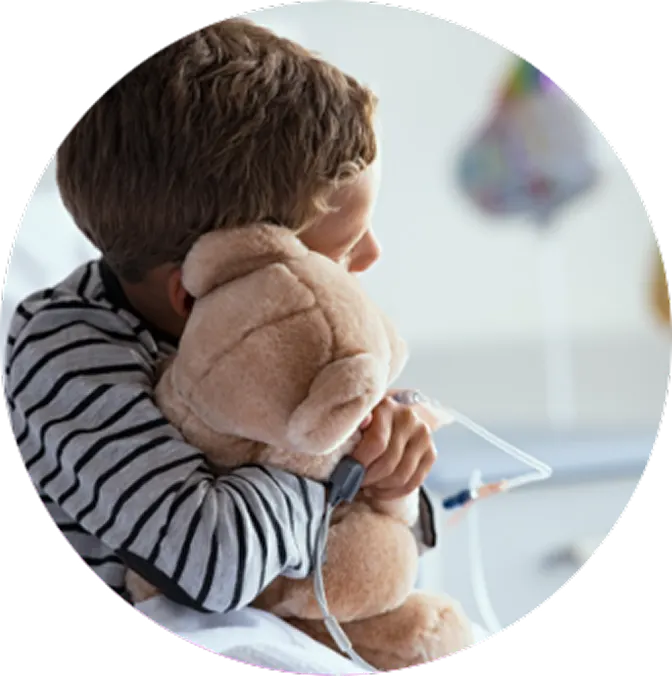
Living with ADH1: Managing his condition involves a delicate balance of calcium supplementation to avoid kidney damage, causing constant stress.
Hope for the future: I wish for a life where ADH1 doesn't dominate our daily existence, allowing my son to enjoy a more carefree childhood. There needs to be better education and support for parents dealing with rare diseases so our concerns are taken seriously and are properly investigated.
We're constantly riding the line of giving just enough calcium supplementation to function properly, but not so much that we're overmedicating and causing irreversible harm to the kidneys.”
—Kady, mother of a son living with ADH1Jessica, a wife, mother, and licensed therapist who has been living with ADH1 for 29 years
Jessica’s story: Clinical trial experience and hope for the future
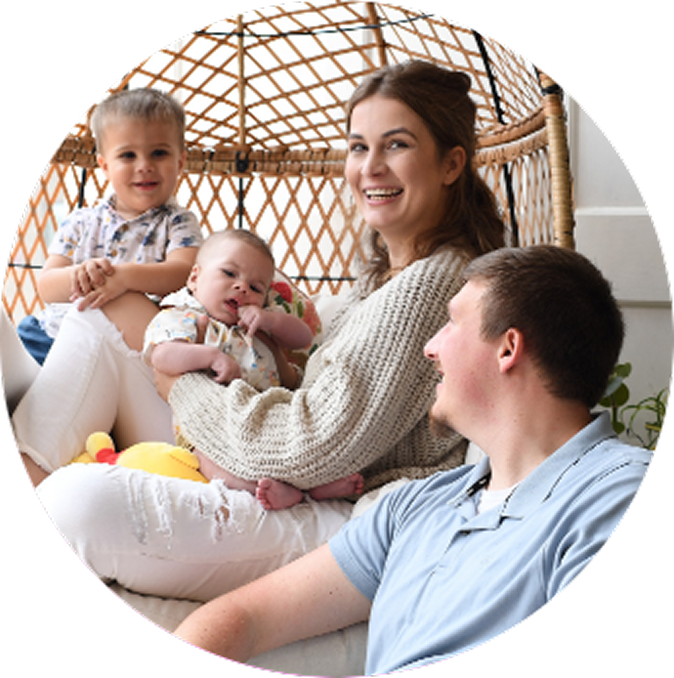
In Jessica’s own words...
Lifelong issues: I was diagnosed with ADH1 around the age of 3 and [diagnosed] with hypoparathyroidism at birth.
Treatment-emergent complications: My parents have shared that because we didn't know about the specific genetic factors involved. The medication regimen I was on inadvertently caused more harm to my kidneys. This has led to lifelong complications, including chronic kidney disease and nephrocalcinosis.
Living with ADH1: The ADH1 symptoms that affect me the most are brain fog and episodes of tetany.
If I didn't experience the symptoms of ADH1, my life would be completely different. I would feel fully in control of my body and sensations. It would bring a sense of stability and freedom that I've never fully known.”
—Jessica, living with ADH1Sarah's story: An artist, writer, and teacher with ADH1 and mother of a child with ADH1
Late-in-life diagnosis
Initially misdiagnosed with idiopathic autoimmune hypoparathyroidism, she only received the correct diagnosis at 31, when her first child, Beatrice, showed symptoms of low calcium.
In Sarah’s own words...
Navigating a rare disease: My hometown did not have an experienced endocrinologist, so I moved to a nearby city to live with a cousin who helped with lab and doctor appointments. I felt so lonely because doctors never understood my symptoms or prognosis, and I lacked a community of fellow patients. The most challenging aspects were the isolation from not having a supportive medical community and the uncertainty of how to treat the underlying condition.

The effects on quality of life: The fatigue, which first appeared during my senior year of college, deprived me of socializing with friends and pursuing my dreams. People often didn't understand how my fatigue was different from normal tiredness, which added to my isolation. Additionally, I struggled with depression and anxiety, which were not yet recognized as symptoms of low calcium. While I am proud of my perseverance, I often wonder how different my life could have been without ADH1.
Living with ADH1: The deep, bone-dragging fatigue has severely limited my career and social life.
It wasn't until I was 31 that I was diagnosed with ADH1, when my first child presented with symptoms of low calcium in the NICU.”
—Sarah, an artist, writer, and teacher with ADH1 and mother of a child with ADH1NICU=neonatal intensive care unit.